The library

The mathematics underneath

Build the small set of ideas that every later course quietly assumes, from a list of outcomes with weights on it, through expectation and spread, independence and conditioning, to why an average of many draws settles down and what a number read off a sample is really telling you

Chance, Spread and What to Expect
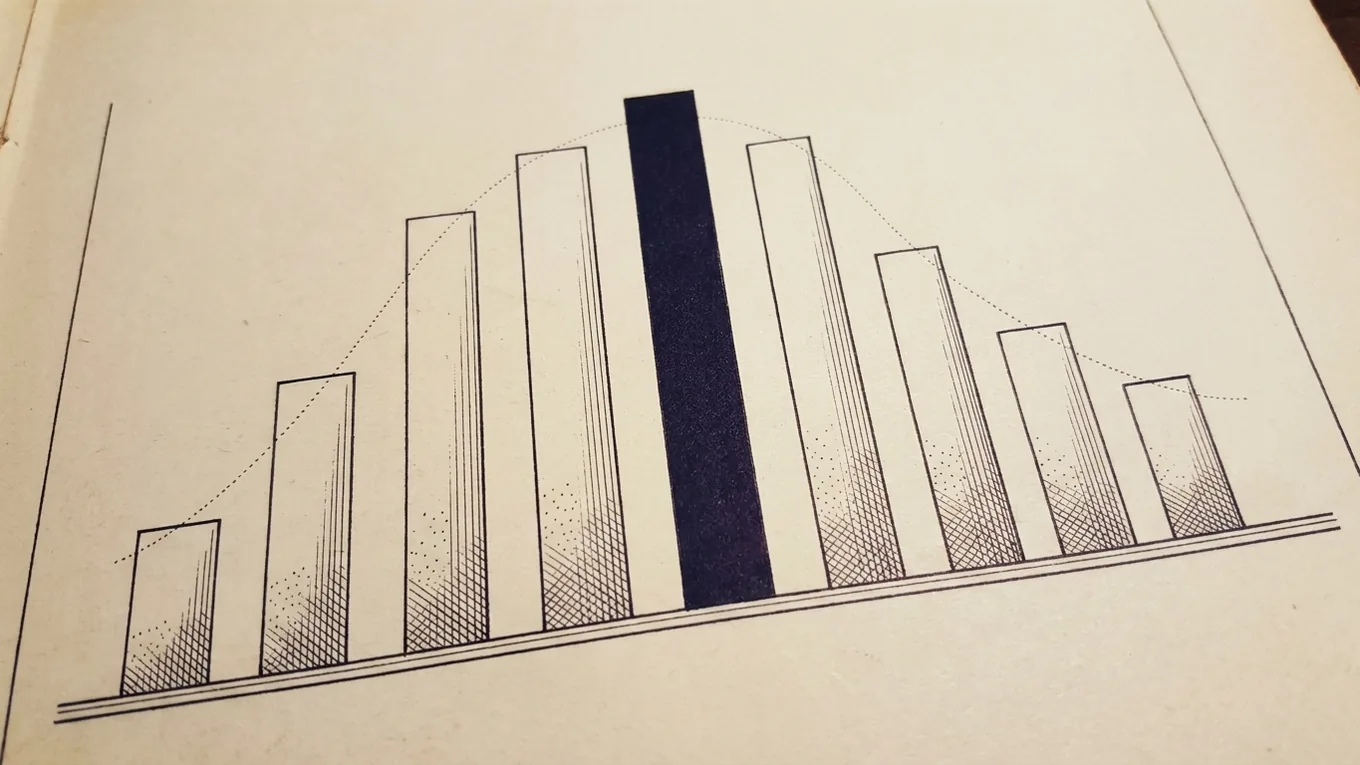
Half the mathematics on this shelf assumes you are comfortable with a distribution, an average and a spread. This course builds those from nothing.

8 lessons, written and corrected before you arrived. Reading them here needs no account. The first reads the whole way through; the others open and then stop, because a page nobody owns cannot tell who is reading it. Starting the course gives you your own copy, where every idea has problems standing under it and you can ask about any sentence.

Start reading

  1. 01A List, and a Number on Each ItemA distribution is nothing more than a list of the things that could happen with a weight on each, and the two rules the weights obey decide everything that follows.
  2. 02One Number Standing in for a Whole Listopening onlyExpectation collapses a distribution to a single number by weighting each outcome by how likely it is, and the two rules it obeys do most of the work in every later course.
  3. 03The Second Number Every Average Needsopening onlyAn expectation without a spread is a number with no error bar, and the reason spread is measured in squares rather than distances is worth deriving instead of accepting.
  4. 04A Table Instead of a Listopening onlyTwo quantities at once need a table of weights rather than a list, and independence is the strong claim that the table is nothing more than its own two margins multiplied.
  5. 05What Is Left After the Newsopening onlyConditioning restricts the table to the row you now know you are in, and reversing the direction of a conditional requires the base rate, which never quietly cancels.
  6. 06Four Times the Data for Half the Erroropening onlyThe spread of an average shrinks with the square root of the number of draws, which settles averages down, makes precision expensive, and promises nothing about any single draw.
  7. 07Height Is Not Weightopening onlyWhen outcomes form a continuum every single value has weight zero, probability lives in areas rather than points, and a density is a rate whose height can exceed one.
  8. 08The Number and the Bar Beside Itopening onlyA measured proportion is one draw from a distribution, and the only honest way to report it is with the width of that distribution attached to it.